
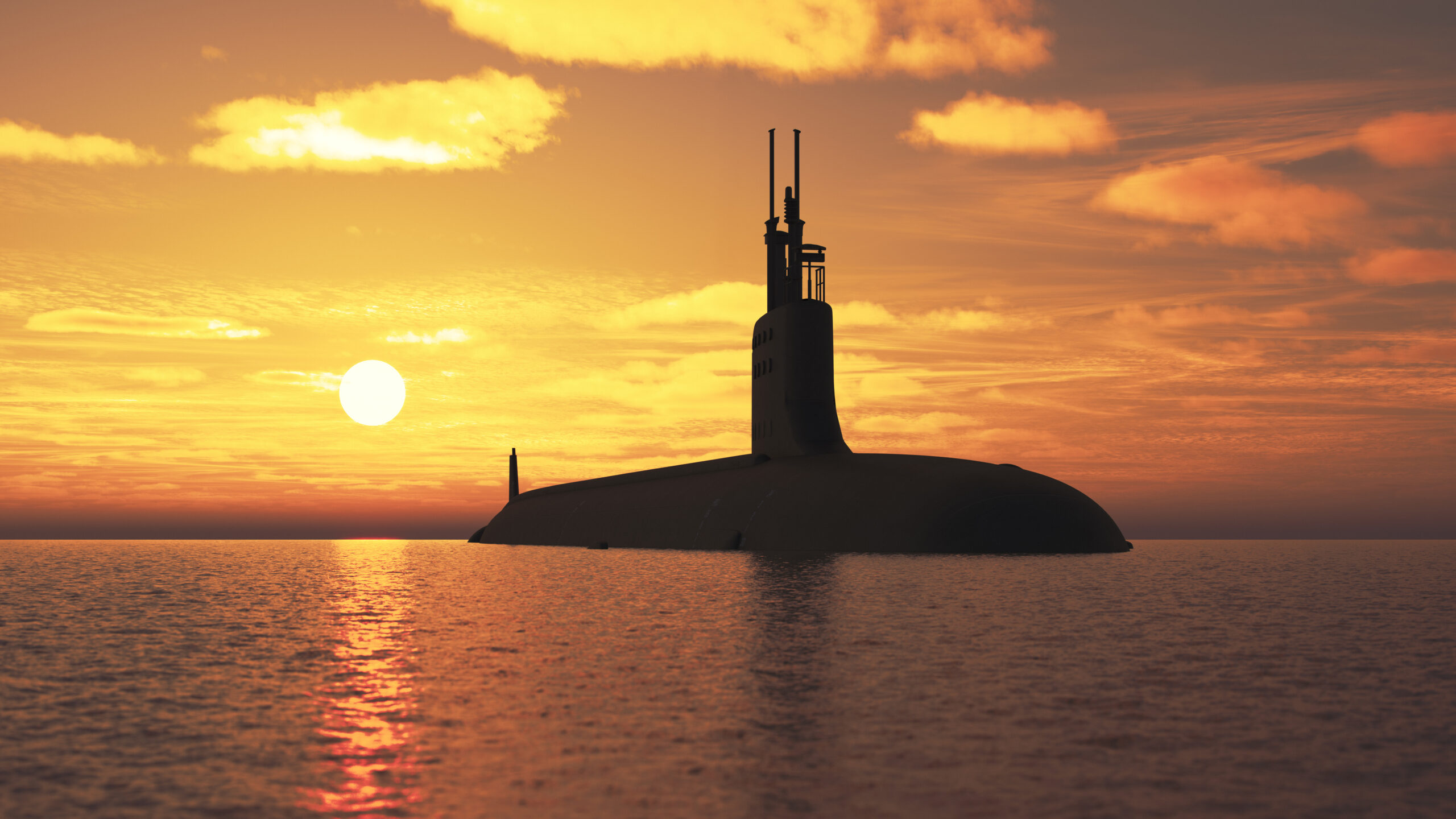
Corrosion is one of the most persistent threats to naval platforms. In marine defence environments, constant saltwater exposure, humidity and temperature fluctuation can compromise even high-performance materials. For this reason, selecting the right marine fasteners is critical to maintaining the safety, reliability and longevity of naval systems.
While marine hardware is widely used across commercial maritime industries, defence platforms operate under more demanding conditions. This article explores how corrosion affects fasteners in naval systems, what differentiates defence-grade solutions, and how the right material and specification prevent failure.
Need corrosion-resistant fasteners for naval defence systems?
JP Aero supplies certified marine fasteners with full traceability and technical support for demanding aerospace and defence environments. Contact our team today for more information.
Why Marine Fasteners Matter in Aerospace and Naval Applications
Naval vessels, submarines, offshore defence installations and carrier-based aircraft all operate in environments where saltwater and airborne chlorides accelerate corrosion. Unlike inland engineering projects, marine defence hardware must withstand:
- Continuous saltwater exposure
- Cyclic wet and dry conditions
- Galvanic corrosion between dissimilar metals
- Vibration and shock loading during operations
- Long service intervals with limited maintenance windows
In both aerospace and naval applications, even small components such as machine screws, bolts, nuts and washers can become failure points if corrosion protection is insufficient.
For defence programmes, this makes the selection of corrosion-resistant marine fasteners a strategic engineering decision rather than a routine procurement task. As discussed in our overview of defence fasteners and their unique requirements, environmental exposure is only one part of the performance equation.
Stainless Steel Marine Fasteners: Strength and Corrosion Resistance
Why Stainless Steel Remains a Core Defence Material
One of the most common materials for marine fasteners is stainless steel. Its resistance to rust and pitting makes it suitable for prolonged exposure to harsh maritime environments.
In naval systems, commonly specified components include:
- Stainless steel bolts
- Marine grade nuts
- Precision machine screws
- Nyloc locking nuts
- Washers and threaded inserts
However, not all stainless steel performs equally. Defence specifications often require higher-performance alloys capable of resisting chloride-induced stress corrosion cracking, particularly in structural applications.
Where required, marine fasteners may also be manufactured from specialist alloys such as A286 or Inconel for enhanced durability.
Bolts, Marine Grade Nuts and Heavy-Duty Fasteners in Naval Systems
Structural integrity in naval platforms depends heavily on the reliability of bolts, nuts and related hardware. Applications may include:
- Deck assemblies
- Superstructure fittings
- Weapons system mounting points
- Engine room installations
- Electronic and sensor housings
In these environments, heavy duty marine fasteners must maintain clamping force despite vibration, movement and temperature variation.
Common configurations include:
- Stainless steel bolts with metric thread
- Marine grade nuts with locking features such as stainless steel nyloc inserts
- Eye bolts for lifting and securing operations
- Precision screws for electronic equipment enclosures
Each component must be selected with consideration for both mechanical load and corrosion resistance.
The Role of Anti-Corrosion Coatings in Marine Defence Hardware
While stainless steel is widely used, some defence platforms rely on alloy steel fasteners treated with advanced anti-corrosion coatings. These surface treatments provide:
- Additional protection against saltwater corrosion
- Improved resistance to chemical exposure
- Controlled friction characteristics for accurate torque application
Coating selection must align with military and aerospace specifications to ensure compatibility with surrounding materials and operational conditions.
Improper coating choice can accelerate galvanic corrosion when fasteners are paired with aluminium or composite structures — a risk that must be carefully managed in naval defence systems.
Why Standard Marine Fasteners Are Not Always Sufficient for Defence
Commercial marine hardware is designed for boats, docks and general maritime infrastructure. Defence platforms, however, face additional operational demands:
- Higher vibration and shock loading
- Greater exposure to extreme temperature variation
- Stricter certification and traceability requirements
- Longer lifecycle expectations
As a result, marine fasteners used in defence applications must often comply with aerospace or military standards such as NAS, MS or AS specifications (as outlined in our guide to military grade fasteners).
This ensures that stainless steel bolts, screws, nuts and washers used in naval systems meet defined mechanical properties and documentation standards, particularly where NAS, MS or AS compliance is specified. For a detailed breakdown, see our guide to NAS fasteners and defence specifications.
Material Compatibility and Galvanic Protection
Naval platforms often combine multiple materials including aluminium alloys, high-strength steel and composite panels. When dissimilar metals are in contact in the presence of saltwater, galvanic corrosion can occur.
Selecting appropriate marine fasteners requires careful consideration of:
- Material pairing
- Protective coatings
- Environmental exposure
- Drainage and moisture retention points
In some cases, insulating washers or specialist inserts are required to reduce electrochemical interaction between components.
Traceability and Compliance in Marine Defence Fasteners
Beyond material selection, defence procurement requires documented compliance. Marine fasteners supplied for naval use must typically include:
- Certification of material composition
- Heat treatment records where applicable
- Surface finishing documentation
- Inspection and dimensional verification
This level of traceability ensures that every component installed in naval defence hardware can be traced back to its source — an essential safeguard for long-term maintenance and operational reliability.
Preventing Failure: Best Practice for Marine Fasteners in Defence
Corrosion prevention in naval systems is achieved through a combination of:
- Correct material selection (e.g. high-grade stainless steel or specialist alloys)
- Appropriate anti-corrosion coatings
- Careful torque and installation procedures
- Avoidance of incompatible material pairings
- Ongoing inspection and maintenance
When implemented together, these measures significantly reduce the risk of fastener degradation compromising mission-critical equipment.
Conclusion
Marine fasteners play a vital role in protecting naval systems from the damaging effects of corrosion. From stainless steel bolts and marine grade nuts to precision screws and specialist inserts, every component must be chosen with careful attention to environmental exposure and operational demands.
In defence applications, corrosion resistance alone is not enough. Fasteners must also meet stringent mechanical, dimensional and documentation requirements to ensure long-term reliability across aerospace and naval applications.
Source Certified Marine Fasteners for Defence Projects
JP Aero supplies fully traceable marine fasteners for defence and aerospace programmes, including stainless steel bolts, screws and specialist marine defence hardware. Contact our team for guidance on corrosion-resistant solutions tailored to naval systems.