
Unmanned aerial vehicles (UAVs) and drones are being adopted across defence and an increasing range of commercial industries, supporting applications ranging from intelligence gathering and surveillance to inspection, mapping and logistics. As these platforms become more advanced, selecting the right aerospace fasteners is essential to achieving the strength, durability and weight savings required for reliable operation.
Unlike conventional aircraft, UAVs often combine lightweight materials, compact designs and modular assemblies, placing unique demands on their fastening systems. This article explores the key considerations when selecting fasteners for UAV and drone manufacturing, the types of aerospace hardware commonly used, and how the right specification supports performance, reliability and long-term serviceability.
Sourcing aerospace fasteners for your next project?
JP Aero supplies a comprehensive range of aerospace fasteners, including standard, bespoke and hard-to-source components, backed by over 60 years of industry expertise, full traceability and rapid worldwide delivery. Contact our team today for more information.
Why Fastener Selection Is Different for UAVs
Although UAVs share many design principles with conventional aircraft, they often present a unique set of engineering challenges. From small commercial drones to larger military unmanned aerial systems, fasteners must provide reliable structural performance while supporting lightweight, compact and highly efficient designs.
Unlike larger aircraft, where individual fastener weight may have a relatively small impact, every gram matters in UAV manufacturing. Reducing weight can help improve flight endurance, increase payload capacity and enhance overall efficiency, making fastener selection an important part of the design process.
At the same time, UAV fasteners must withstand many of the same operating conditions as traditional aircraft, including:
- Continuous vibration
- Cyclic loading and fatigue
- Temperature fluctuations
- Corrosive operating environments
- Repeated assembly and maintenance
Many modern UAVs also incorporate composite materials and modular assemblies, requiring fasteners that are compatible with different substrates while allowing components to be removed or replaced without compromising structural integrity.
As a result, engineers must consider far more than simply choosing the correct size or specification. Material selection, weight, corrosion resistance, installation method and long-term durability all play an important role in determining the most appropriate aerospace fastener for a particular application.
Common Fasteners Used in UAV and Drone Manufacturing
The exact fasteners used in a UAV depend on its size, payload, operating environment and intended application. A lightweight commercial inspection drone, for example, will have different requirements from a military unmanned aerial vehicle operating in demanding conditions.
However, several categories of aerospace fasteners are commonly used across UAV and drone manufacturing.
Aerospace Bolts and Screws
Bolts and screws are widely used in structural assemblies and components that require periodic inspection, maintenance or replacement. Their removable nature makes them well suited to modular designs, allowing engineers to access internal systems without damaging surrounding structures.
Rivets
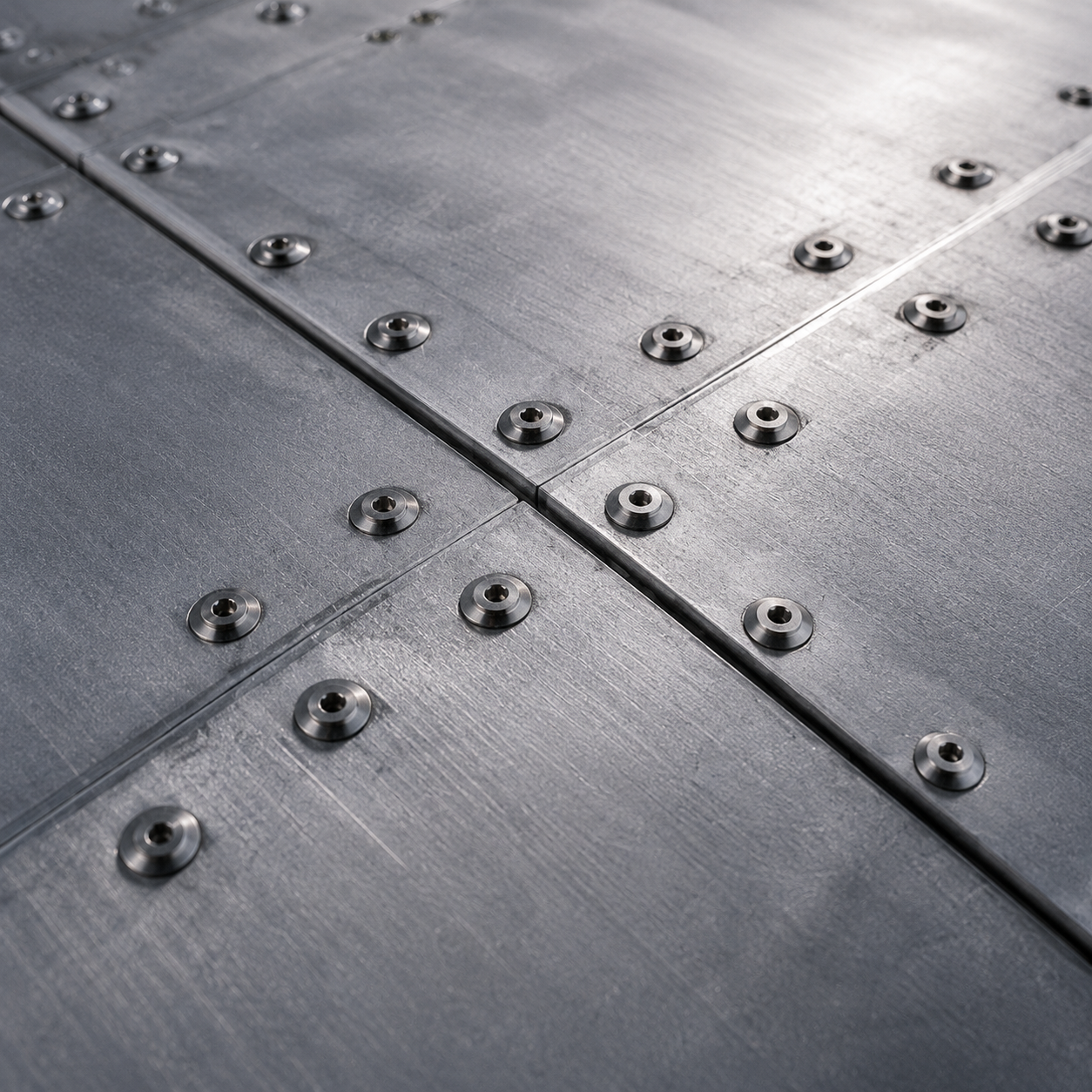
Solid and semi-tubular rivets provide permanent fastening solutions for airframe structures where strength, low weight and vibration resistance are priorities. Riveted joints are particularly common in applications where components are not intended to be removed during normal service.
Inserts
Threaded inserts, such as heli-coil inserts, help create durable connections in lightweight materials. They are often used where repeated assembly could otherwise damage the parent material or reduce thread strength.
Pins and Locking Components
Pip pins, parallel pins and other locking devices are commonly used where components need to be secured while still allowing rapid removal for maintenance or equipment changes. These fasteners are particularly useful in modular assemblies and payload systems.
Regardless of the fastener type, selecting the correct specification is essential. Factors such as material compatibility, load capacity, corrosion resistance and traceability all influence the suitability of a fastener for UAV applications. Choosing aerospace-grade hardware helps ensure consistent performance in demanding operating environments.
Key Considerations When Selecting UAV Fasteners
Choosing fasteners for UAV and drone manufacturing involves more than selecting the correct size or thread. Every fastening solution must be suited to the platform’s operating environment, structural requirements and maintenance strategy.
Some of the key considerations include:
Weight
Weight is one of the most important factors in UAV design. Lightweight fasteners can help improve flight endurance, increase payload capacity and enhance overall efficiency, particularly in smaller platforms where every component contributes to total aircraft mass.
Material Compatibility
Many modern UAVs combine aluminium, titanium, composites and advanced polymers within a single airframe. Selecting fasteners that are compatible with surrounding materials helps minimise issues such as galvanic corrosion while maintaining long-term structural performance.
Corrosion Resistance
UAVs may operate in coastal environments, offshore locations, agricultural settings or extreme weather conditions. Choosing corrosion-resistant aerospace fasteners helps protect assemblies exposed to moisture, salt and other environmental contaminants.
Vibration and Fatigue Resistance
Continuous vibration generated by motors, propellers and changing flight conditions places repeated stress on fastening systems. Aerospace fasteners must be capable of maintaining secure joints while resisting fatigue over extended operating cycles.
Maintenance Requirements
Many UAVs are designed with modular payloads or components that require routine inspection or replacement. In these applications, removable fasteners can simplify maintenance while reducing downtime and supporting efficient servicing.
Traceability and Specification
For aerospace and defence programmes, fasteners often need to meet recognised industry standards and be supplied with full traceability. This provides confidence that every component meets the required specification and quality requirements throughout the supply chain.
No single fastener is suitable for every application. Selecting the right combination of material, specification and fastening method helps ensure UAVs achieve the strength, reliability and performance expected throughout their operational life.
Supporting the Future of UAV Manufacturing
The UAV sector continues to evolve rapidly, with unmanned aircraft taking on increasingly complex roles across defence, aerospace and commercial industries. As platforms become more capable, demand is growing for lightweight, high-performance fastening solutions that support reliable operation in a wide range of environments.
Whether developing long-endurance surveillance platforms, inspection drones or specialist unmanned systems, manufacturers require aerospace fasteners that meet exacting standards for quality, consistency and traceability. Fasteners must not only perform under demanding operating conditions, but also integrate seamlessly with modern materials and evolving aircraft designs.
As UAV technology advances, the importance of selecting the correct aerospace hardware is only likely to increase. Choosing the right fasteners can help improve structural performance, simplify maintenance, support regulatory compliance and contribute to the long-term reliability of the aircraft.
Frequently Asked Questions
What fasteners are commonly used in UAV manufacturing?
UAVs and drones use a range of aerospace fasteners depending on their design and application. Common examples include aerospace bolts and screws, rivets, threaded inserts, pins and locking components. The appropriate fastener depends on factors such as structural loads, weight, maintenance requirements and the materials being joined.
Why are lightweight fasteners important for drones?
Reducing weight helps improve flight endurance, increase payload capacity and enhance overall efficiency. While fasteners make up only a small proportion of an aircraft’s weight, selecting lightweight aerospace hardware can contribute to overall performance, particularly in smaller UAV platforms.
What materials are best for UAV fasteners?
UAV fasteners are manufactured from a variety of materials, including stainless steel, aluminium, titanium and specialist aerospace alloys. Material selection depends on factors such as strength, corrosion resistance, weight and compatibility with surrounding components.
Why is traceability important for aerospace fasteners?
Many aerospace and defence programmes require fasteners that comply with recognised industry standards and are supplied with full traceability. This provides confidence that components meet the required specification and supports quality assurance throughout the supply chain.
Need Aerospace Fasteners for Your Next Project?
Whether you’re manufacturing unmanned aerial vehicles, maintaining existing aircraft or sourcing hard-to-find aerospace components, selecting the right fasteners is essential for long-term performance and reliability.
JP Aero supplies a comprehensive range of aerospace fasteners, including standard, bespoke and hard-to-source components, backed by more than 60 years of industry expertise. With over 35,000 stock lines, full traceability and worldwide delivery, we support commercial aerospace, defence and specialist engineering projects across the globe.
Explore our aerospace fasteners range or contact our team to discuss your requirements.